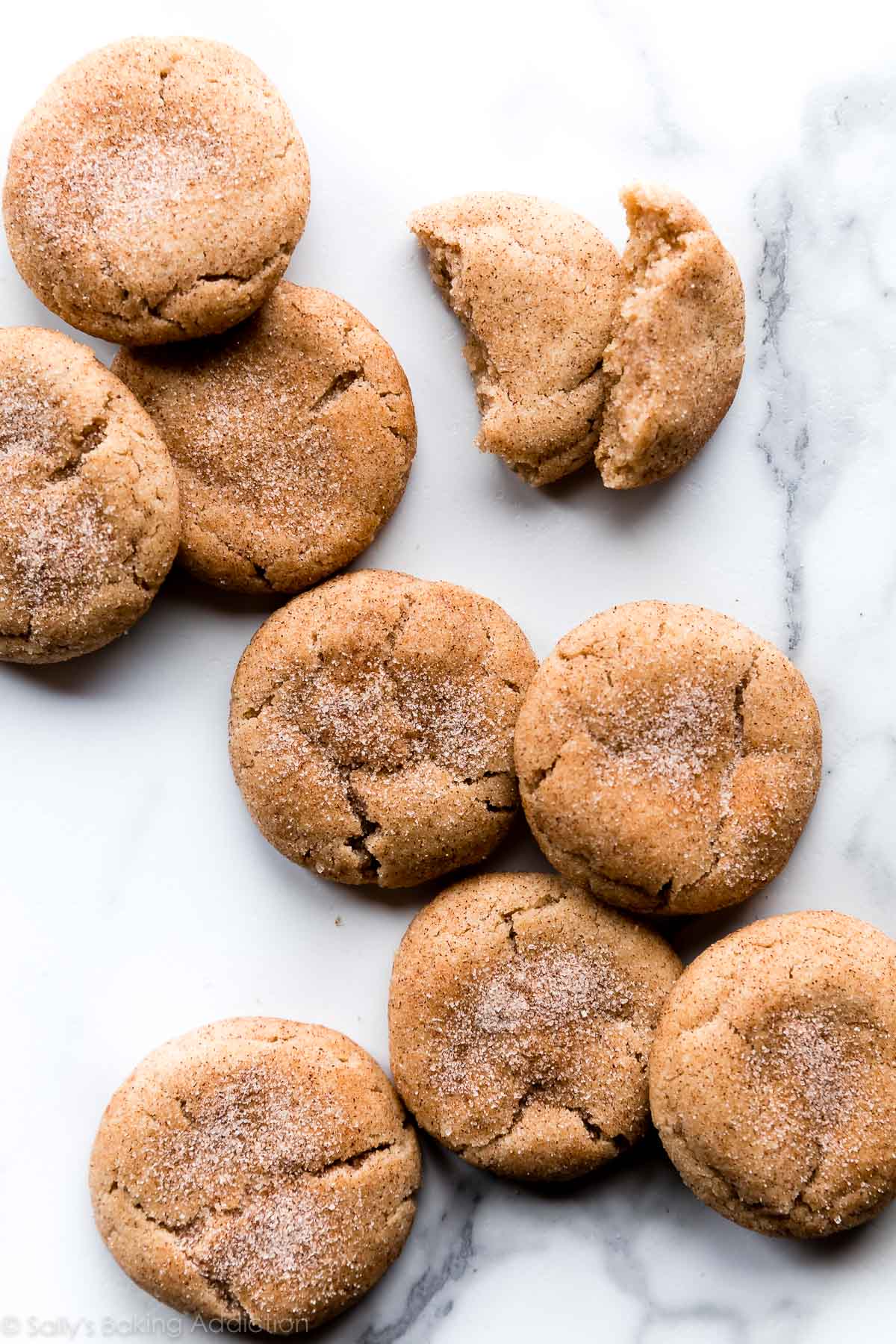
Snickerdoodle Secrets: Chewy, Puffy, Cracked-Top Cookie Guide
There are few cookies that evoke such a powerful sense of nostalgia and comfort as the humble Snickerdoodle. With its characteristic tangy flavor, pillowy soft interior, and iconic cinnamon-sugar coating, it’s a beloved classic that has graced countless cookie platters for generations. But what truly elevates a good Snickerdoodle to a *great* one? It’s all in the texture – that perfect trifecta of chewy, puffy, and a beautifully cracked top. If you’ve ever wondered how to consistently achieve this delightful combination with your homemade snickerdoodle cookie recipe, you’ve come to the right place. We’ll dive into the origins of this cherished treat, uncover the secrets behind its unique structure, and explore tantalizing variations that will make your Snickerdoodles unforgettable.
The Timeless Appeal of a Classic Snickerdoodle Cookie Recipe
The history of the Snickerdoodle is as charming as the cookie itself. Believed to have originated in New England during the 1800s, this delightful confection is thought to have been introduced to the region by German or Dutch immigrants. Far from a simple sugar cookie, the Snickerdoodle quickly carved out its own niche with a distinct flavor profile and texture that sets it apart. The name itself is a bit of a mystery, possibly a playful portmanteau or derived from German words for "snail doodle" or "crinkly noodle," hinting at its distinctive appearance.
What defines a classic Snickerdoodle? It’s a cookie that promises a soft, airy bite with a delicate tang, generously rolled in a crunchy cinnamon-sugar mixture. For many, it's intrinsically linked to childhood memories and holiday traditions, a cookie "just like grandma made." This enduring appeal isn't just about taste; it’s about the perfect balance of ingredients and technique that creates that signature puffy, chewy texture and the wonderfully cracked surface – hallmarks of an authentic snickerdoodle cookie recipe.
Mastering the Perfect Snickerdoodle Texture: Chewy, Puffy, and Cracked
Achieving the ideal Snickerdoodle texture isn't rocket science, but it does require understanding a few fundamental principles. Forget everything you thought you knew about traditional cookie baking, because the Snickerdoodle has its own unique rules for success.
The Essential Ingredient Blend: Butter, Shortening, and Cream of Tartar
The magic behind a Snickerdoodle's characteristic texture and tangy flavor lies in a very specific combination of ingredients:
* **Butter and Vegetable Shortening:** Many modern cookie recipes opt for all butter, but for a truly classic, soft, and chewy Snickerdoodle, resisting that urge is key. As our culinary ancestors knew, a combination of butter and vegetable shortening is paramount. Butter provides rich flavor, while shortening contributes to the cookie's impressive softness and helps prevent excessive spreading, ensuring those desirable puffy centers. It’s the secret weapon for a cookie that holds its shape while staying tender.
* **Cream of Tartar:** This is perhaps the most distinctive ingredient in any snickerdoodle cookie recipe. Cream of tartar, an acidic salt, reacts with the baking soda to create carbon dioxide gas, leading to that signature puffy rise and the beautiful, delicate cracked top. Beyond texture, it also imparts the subtle, tangy flavor that is uniquely Snickerdoodle, distinguishing it from a standard cinnamon sugar cookie. Without it, you simply have a different cookie.
This powerful trio works in harmony to give you a cookie that is moist, fluffy, and delivers that satisfying chewiness that Snickerdoodle lovers crave.
The Science of Dough Hydration and Chilling
While some recipes might encourage immediate baking, an often-overlooked step for a superior Snickerdoodle is chilling the dough. Refrigerating your cookie dough for at least 30 minutes, or even overnight, yields significant benefits:
* **Flour Hydration:** Chilling allows the flour to fully hydrate, resulting in a more uniform dough and preventing a gritty texture. This hydration directly contributes to a chewier cookie.
* **Preventing Spread:** Colder dough spreads less when it hits the hot oven, ensuring your cookies stay thicker and puffier rather than turning into flat discs. This is crucial for maintaining that coveted chewy center.
* **Enhanced Flavor:** The flavors in the dough have time to meld and deepen, leading to a more complex and delicious cookie.
So, while it requires a little patience, chilling your dough is a simple step that pays dividends in both flavor and texture.
The Art of Rolling: Generous Cinnamon-Sugar Coating
The iconic cinnamon-sugar coating isn't just for looks; it's integral to the Snickerdoodle experience. Once your dough is chilled, roll it into uniform balls. The key here is to be *generous* when rolling these dough balls through the cinnamon-sugar mixture. A thick, even coating provides:
* **Crunch and Texture:** The sugar caramelizes slightly in the oven, creating a delightful crunch on the exterior that contrasts beautifully with the soft interior.
* **Flavor Boost:** Obviously, it delivers that warm, comforting cinnamon flavor that defines the cookie.
* **Visual Appeal:** It's what gives the Snickerdoodle its characteristic rustic, crackled appearance.
Don’t skimp on this step – it’s what gives the Snickerdoodle its irresistible charm.
Beyond the Classic: Exciting Snickerdoodle Variations
While the classic snickerdoodle cookie recipe holds a special place in our hearts, the versatility of this cookie means it’s ripe for creative variations. From seasonal twists to ingredient swaps, there's a whole world of Snickerdoodles to explore.
A Spiced Twist: The Eggnog Chai Snickerdoodle Cookie Recipe
For a truly exceptional festive treat, consider the
Eggnog Chai Snickerdoodles: Spiced Cookies with Cream Cheese Icing. This variation takes the traditional Snickerdoodle to a new level of indulgence. The cookies themselves are infused with the warm, aromatic blend of chai spices – think cinnamon, ginger, all-spice, and cardamom – which complements the traditional Snickerdoodle base beautifully.
But the real showstopper here is often the icing. Imagine a rich, creamy frosting made with real eggnog and a hint of nutmeg, perfectly crowning these spiced, airy cookies. It’s a symphony of seasonal flavors that makes these cookies an absolute showstopper, especially during the holidays. The cream cheese in the cookie dough itself contributes to a lovely richness and softness, making these cookies truly unforgettable.
Exploring Butter-Free Alternatives
For those with dietary restrictions or simply looking for a different approach, "no butter" snickerdoodle cookie recipes are also gaining popularity. While the traditional combination of butter and shortening is crucial for the classic texture, some variations successfully substitute butter with alternatives like vegetable oil, applesauce, or other plant-based fats. These adaptations can result in a slightly different texture, perhaps less rich or with a softer crumb, but still capture the essence of the cinnamon-sugar comfort. Exploring these options can open up the world of Snickerdoodles to even more cookie lovers.
Pro Tips for Your Best Snickerdoodle Cookie Recipe Yet
Achieving Snickerdoodle perfection involves more than just following a recipe; it's about understanding the nuances of baking. Here are some actionable tips to ensure your next batch is your best yet:
* **Room Temperature Ingredients:** Ensure your butter, shortening, and cream cheese are at room temperature. This allows them to cream together smoothly with the sugar, incorporating more air and leading to a lighter, puffier cookie.
* **Measure Flour Correctly:** Too much flour can make your cookies dry and crumbly. Spoon flour into your measuring cup and level it off with a straight edge, rather than scooping directly from the bag.
* **Don't Overmix:** Once you add the dry ingredients to the wet, mix only until just combined. Overmixing can develop the gluten in the flour too much, resulting in tough cookies.
* **Baking Time is Key:** Bake your Snickerdoodles until the edges are just set and lightly golden, but the centers still look slightly soft. They will continue to set as they cool. Typically, this is 8-10 minutes at 375°F (190°C). Overbaking will lead to dry, hard cookies.
* **Cool Completely:** Allow your cookies to cool on the baking sheet for a few minutes before transferring them to a wire rack to cool completely. This helps them firm up without breaking.
* **Storage:** Store Snickerdoodles in an airtight container at room temperature for up to a week to maintain their chewiness and flavor.
Remember that patience and attention to detail are your best friends in the kitchen, especially when striving for that perfect balance of chewiness, puffiness, and the signature cracked top. For more secrets from the masters, don't forget to check out
Grandma's Snickerdoodles: The Butter & Shortening Secret.
Whether you're a seasoned baker or a novice in the kitchen, mastering the snickerdoodle cookie recipe is a truly rewarding experience. By understanding the critical role of ingredients like vegetable shortening and cream of tartar, embracing the benefits of chilling your dough, and generously applying that iconic cinnamon-sugar coating, you're well on your way to baking Snickerdoodles that are consistently chewy, perfectly puffy, and beautifully cracked on top. So roll up your sleeves, gather your ingredients, and get ready to enjoy one of the most beloved cookies of all time – a classic that never fails to bring a smile.