Grandma's Snickerdoodles: The Butter & Shortening Secret to Perfection
There's something uniquely comforting about a classic snickerdoodle. That irresistible blend of soft chewiness, a slight tang, and the warm embrace of cinnamon-sugar takes us straight back to childhood kitchens. While many cookie recipes have evolved over time, seeking new twists or ingredient shortcuts, the quintessential snickerdoodle, the one just like grandma used to make, holds onto a time-honored secret: the strategic combination of butter and shortening. This isn't just an old wives' tale; it's a fundamental principle that unlocks the signature texture of this beloved New England classic. If you're searching for the ultimate
snickerdoodle cookie recipe, understanding this fat-tastic duo is your first step to baking bliss.
The Timeless Appeal of a Classic Snickerdoodle Cookie Recipe
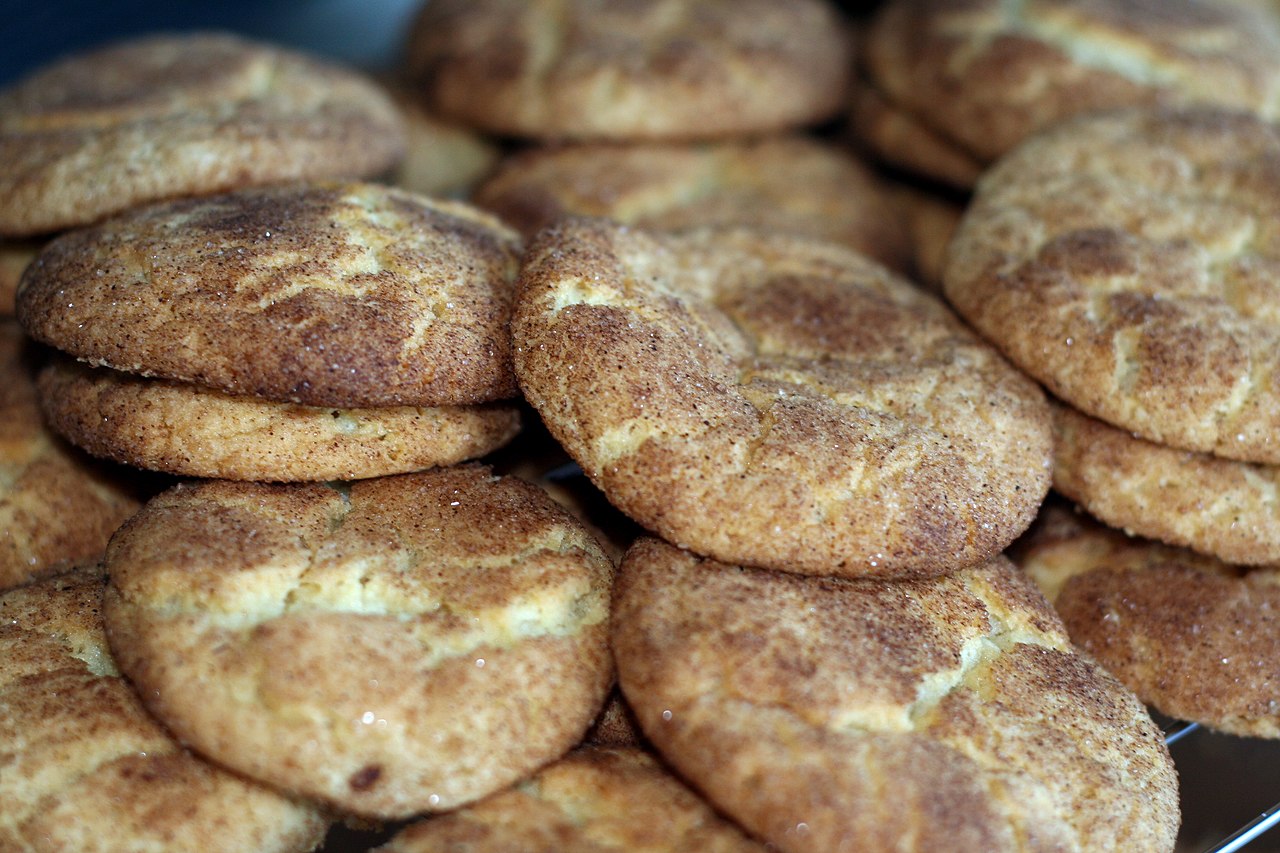
Tracing its roots back to New England in the 1800s, the snickerdoodle is believed to have been introduced to American kitchens by German or Dutch immigrants. Far from a mere sugar cookie, it carved out its own niche with distinct characteristics that set it apart. Imagine biting into a cookie that's simultaneously soft and pillowy, with a delightful chewiness that yields to a tangy, slightly acidic flavor, all enveloped in a generous coating of cinnamon-sugar. And let's not forget the distinctive cracked top – a visual hallmark of a perfectly baked snickerdoodle.
These qualities aren't accidental; they are the direct result of specific ingredients and techniques. For generations, this traditional
snickerdoodle cookie recipe has remained a holiday staple and a year-round favorite, celebrated for its unique texture and comforting flavor profile. It's more than just a cookie; it's a bite of history, a taste of tradition, and a testament to the wisdom passed down through family recipes.
Unveiling the Butter & Shortening Secret for the Perfect Snickerdoodle
The magic behind that signature puffy, chewy texture and charming cracked top lies squarely in the fat used in the dough. Many modern bakers might be tempted to use all butter, given its superior flavor, but grandma knew better. The secret weapon in her arsenal was the strategic blend of butter and vegetable shortening.
*
The Role of Butter: Butter brings undeniable flavor and richness to cookies. It contributes to tenderness and a delicate crispness around the edges as it melts and spreads. However, butter is 100% fat solids at room temperature and has a lower melting point. If used exclusively, it can lead to cookies that spread too much, becoming flatter and potentially crispier than the desired snickerdoodle.
*
The Power of Shortening: Vegetable shortening, on the other hand, is 100% pure fat, meaning it contains no water (unlike butter, which is about 80% fat and 20% water). This lack of water significantly impacts cookie texture. Shortening has a higher melting point, which means it takes longer to melt in the oven. This slower melting process helps the cookies hold their shape, preventing excessive spreading and contributing to a thicker, puffier cookie. It also helps to create an incredibly tender, soft crumb and that desirable chewiness without adding a greasy feel.
The combination is truly greater than the sum of its parts. By using both, you get the best of both worlds: the rich, buttery flavor you crave, coupled with the structural integrity and supreme tenderness that only shortening can provide. As many seasoned bakers will attest, "Resist the urge to use all butter. The combination of butter and vegetable shortening makes a softer cookie. Stick to what grandma did – because she knew what she was doing." This blend is crucial for achieving that authentic soft, pillowy snickerdoodle experience.
Beyond the fats, two other ingredients are essential: baking soda and cream of tartar. Baking soda, a leavening agent, creates lift. Cream of tartar, an acidic salt, reacts with the baking soda to produce carbon dioxide gas, which further contributes to the cookie's puffiness. Crucially, cream of tartar also imparts that distinctive tangy flavor that defines a snickerdoodle and helps create its characteristic cracked surface. For a deeper dive into these textural secrets, explore our guide on
Snickerdoodle Secrets: Chewy, Puffy, Cracked-Top Cookie Guide.
While there are "snickerdoodle cookie recipe no butter" variations out there, they often result in a different texture profile, lacking the complexity and richness of the classic. For true authenticity, the butter and shortening blend is non-negotiable.
Crafting Grandma's Signature Snickerdoodle Cookie Recipe: Essential Steps and Tips
Now that we've unlocked the secret behind the perfect snickerdoodle, let's walk through the steps to bring this classic
snickerdoodle cookie recipe to life in your own kitchen.
Key Ingredients You'll Need:
- All-purpose flour
- Cream of tartar
- Baking soda
- Salt (optional, but enhances flavor)
- Unsalted butter (room temperature)
- Vegetable shortening (room temperature)
- Granulated sugar
- Large egg (room temperature)
- Vanilla extract
- For the Coating: Granulated sugar and ground cinnamon
The Baking Process:
- Prep Your Workspace: Preheat your oven to 375°F (190°C) and line two baking sheets with parchment paper. This prevents sticking and ensures even baking.
- Combine Dry Ingredients: In a medium bowl, whisk together the flour, cream of tartar, baking soda, and salt. Set aside.
- Cream Fats and Sugar: In a large bowl, using an electric mixer, beat together the softened butter, shortening, and granulated sugar until the mixture is light, fluffy, and pale in color. This process incorporates air, which is vital for a tender cookie.
- Add Wet Ingredients: Beat in the egg and vanilla extract until just combined. Be careful not to overmix at this stage.
- Gradually Add Dry to Wet: With the mixer on low speed, gradually add the flour mixture to the wet ingredients, mixing until just combined. Stop as soon as no streaks of flour remain to avoid developing too much gluten, which can lead to tough cookies.
- Chill the Dough (Crucial Step!): While not always explicitly stated in quick recipes, refrigerating your cookie dough for at least 30 minutes (or even a few hours) is a game-changer. This allows the flour to fully hydrate, prevents the cookies from spreading too much during baking, and deepens the flavors, resulting in a more flavorful and chewy cookie.
- Prepare Cinnamon-Sugar Coating: In a small, shallow bowl, combine granulated sugar and ground cinnamon. The ratio can be adjusted to your preference, but a classic starting point is 1/4 cup sugar to 1 tablespoon cinnamon.
- Roll and Coat: Scoop rounded tablespoons of dough and roll them into uniform balls. Then, generously roll each ball through the cinnamon-sugar mixture, ensuring it's fully coated.
- Bake to Perfection: Place the coated dough balls about 2 inches apart on your prepared baking sheets. Bake for 8-10 minutes, or until the edges are just set and lightly golden, but the centers still look slightly soft. Remember, cookies continue to cook slightly as they cool.
- Cool and Enjoy: Let the cookies cool on the baking sheets for a few minutes before transferring them to a wire rack to cool completely. This helps them firm up and prevents them from breaking.
Baker's Tips for Success:
- Room Temperature Ingredients: Ensure your butter, shortening, and egg are at room temperature. This helps them cream together smoothly and evenly, creating a consistent dough.
- Don't Overbake: Overbaking is the enemy of a soft, chewy snickerdoodle. Pull them out when the edges are just set.
- Generous Coating: Don't be shy with the cinnamon-sugar! A thick, even coating is key to the snickerdoodle experience.
- Experiment with Spices: While classic snickerdoodles use cinnamon, you can certainly experiment. For example, our Eggnog Chai Snickerdoodles: Spiced Cookies with Cream Cheese Icing recipe showcases how adding a chai spice blend (cinnamon, ginger, allspice, cardamom) can create a delightful variation, especially when paired with a creamy icing.
Conclusion
The snickerdoodle is more than just a cookie; it's a testament to the enduring power of classic baking techniques. By embracing the time-honored secret of combining butter and shortening, along with the essential cream of tartar, you're not just baking a cookie – you're recreating a piece of culinary history. This particular
snickerdoodle cookie recipe delivers that coveted soft, pillowy, chewy texture with a delightful tang and a generous roll in cinnamon-sugar, just as countless grandmas intended. So, tie on your apron, gather your ingredients, and prepare to discover the true magic of a perfect snickerdoodle. Your taste buds (and your family) will thank you.